In 2026, lottery fraud has shifted from crude email scams to highly convincing visual deception. Social networks, messaging apps and short-form video services are flooded with clips showing “instant wins”, celebratory bank transfers and screenshots of supposed payouts. Many of them are fabricated. As artificial intelligence tools become cheaper and easier to use, editing believable footage no longer requires technical expertise. For anyone interested in lotteries – whether buying tickets occasionally or following jackpot news – understanding how to identify fake win evidence is now a basic element of financial self-protection.
Why Fake Lottery Win Content Is So Widespread in 2026
The rapid growth of generative AI has dramatically lowered the barrier to creating convincing fake videos. Deepfake technology can now replicate voices, facial expressions and even screen reflections with minimal effort. Fraudsters use these tools to produce clips where a person appears to win a large lottery prize live on camera, complete with emotional reactions and seemingly authentic transaction confirmations.
At the same time, mobile banking interfaces and lottery apps have become more visually standardised. This makes it easier to recreate them in design software or modify genuine screenshots. A fraudster only needs to adjust numbers, dates or account balances to fabricate a “proof of payment” image that appears legitimate at first glance.
Another factor is the economic pressure many people face in 2026. Rising living costs and financial uncertainty make stories of sudden windfalls emotionally powerful. Scammers exploit this vulnerability, promoting fake evidence to sell “winning strategies”, paid tip groups or access to non-existent insider information.
Common Types of Fabricated Lottery Evidence
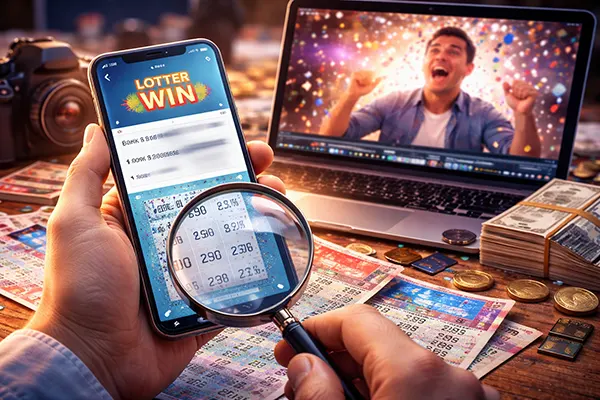
The most common format remains the edited screenshot. This typically shows a lottery account with a large balance, combined with a bank notification confirming a transfer. In many cases, the typography is slightly inconsistent, the timestamp format does not match the official app version, or the currency symbol placement is incorrect. These subtle details often reveal manipulation.
Video content has become more sophisticated. Some clips show a person scratching a ticket live, followed by a cut to a “winner” message. However, frame-by-frame analysis often reveals jump cuts, inconsistent lighting, or mismatched reflections on the ticket surface. In AI-generated clips, facial movements may appear slightly unnatural, especially around the eyes and mouth.
Another tactic involves staged testimonials. Actors claim to have won using a specific paid system or subscription service. These testimonials are frequently recycled across multiple advertisements under different names. Reverse image searches in 2026 often reveal that the same individual appears in unrelated promotions, exposing the deception.
How to Technically Verify Lottery Win Claims
The first step in verification is to check the official lottery operator’s communication channels. Reputable national lotteries publish confirmed jackpot wins, prize tiers and draw results on their official websites and regulated social media accounts. If a viral claim involves a major jackpot, it should be traceable to an official announcement.
Next, examine metadata when possible. While social media platforms compress and strip some data, original files shared in messaging apps may retain creation dates and editing history. In 2026, several consumer-level tools allow users to inspect file metadata quickly. Discrepancies between the claimed win date and the file creation date can be revealing.
It is also essential to verify licensing and regulatory oversight. Legitimate lottery operators are supervised by national gambling authorities. If a video references a lottery brand that does not exist in official regulator databases, that is a strong warning sign. Fraudsters often invent lottery names that sound similar to recognised institutions.
Red Flags in Screenshots and Banking “Proof”
Look closely at font alignment and spacing. Banking and lottery applications use consistent design systems. When numbers appear slightly misaligned or spacing between digits is irregular, it often indicates manual editing. In 2026, AI tools can mimic layouts convincingly, but small inconsistencies still occur.
Pay attention to transaction references and formatting standards. Real bank transfers include structured reference numbers and consistent date formats. Fabricated images frequently mix formats, such as combining UK date conventions with US-style currency formatting. These inconsistencies rarely occur in genuine financial systems.
Finally, consider behavioural context. Authentic large lottery winners rarely publish immediate, detailed banking screenshots due to privacy and security concerns. In the UK and many EU countries, winners are advised by lottery operators to limit public disclosure. Overly detailed “proof” shared by unknown individuals is often designed to persuade rather than to document reality.
Protecting Yourself from Lottery Misinformation and Scams
Never pay for access to “guaranteed winning methods” promoted alongside fake win evidence. Licensed lotteries operate on random draw mechanisms overseen by regulators. No private individual has legal access to predictable outcome systems. Claims suggesting otherwise contradict the fundamental structure of regulated lotteries.
Be cautious with private messaging invitations. Fraudsters frequently use fake win videos to lure users into closed groups on encrypted apps. Once inside, victims are pressured to purchase subscriptions or reveal personal information. In 2026, identity theft linked to gambling-related scams remains a significant cybercrime category in Europe and the UK.
Strengthen your digital literacy. Use reverse image search tools, check official regulator announcements and consult recognised consumer protection bodies. Organisations such as the UK National Cyber Security Centre and Action Fraud regularly publish updated warnings about emerging scam patterns, including lottery-related deception.
The Role of Regulation and Responsible Communication
Regulators across Europe have tightened advertising standards for gambling-related content. In 2026, many jurisdictions require clear disclosure of paid promotions and prohibit misleading claims about guaranteed winnings. However, enforcement struggles to keep pace with anonymous online accounts operating across borders.
Responsible lottery operators also educate players about fraud risks. Official websites increasingly feature dedicated scam awareness sections, explaining how genuine prize notifications are delivered and how winners are contacted. Familiarising yourself with these procedures reduces the risk of being misled by fabricated content.
Ultimately, critical thinking remains the most reliable defence. If a video or screenshot is designed to provoke urgency, envy or excitement, pause before reacting. Verify through official sources, question inconsistencies and remember that real lottery systems are transparent, regulated and random. Financial decisions should never be based on viral content alone.