In lottery terms, “ticket cancellation” usually means a ticket is declared invalid before it is paid out or officially accepted as a winning claim. This can happen even if the ticket was purchased correctly and looks fine at first glance. In 2026, most lotteries rely on digital validation systems, retail terminal logs, and security checks, so cancellation is often linked to verification issues rather than a simple human decision.
Players often hear about cancelled tickets when a prize claim is refused, a retailer tells them a ticket can’t be validated, or an online account shows a purchase as voided. While this can feel unfair, lotteries cancel tickets for specific reasons, and in most cases there are practical ways to reduce the risk.
What “Ticket Cancellation” Means in Practice
A cancelled ticket is one that the lottery system refuses to honour. The key point is that the ticket is no longer considered eligible for payout, entry, or prize validation. Cancellation can apply to paper tickets bought at a shop, draw-based tickets, instant scratchcards, or digital tickets bought through official lottery channels.
In modern lottery operations, the barcode or serial number is only part of the story. The official record sits in the lottery’s central system. If the central system shows a mismatch, a duplicate, a tampered entry, or a transaction error, the system can mark the ticket as invalid. This is why a ticket that “looks real” can still fail validation.
It’s also important to separate cancellation from expiry. Expiry happens when the claim period ends, which is a standard rule. Cancellation is different: it happens because the ticket fails a rule, a security check, or a transaction verification step, even if you are still within the claim deadline.
Common Types of Cancellation (Retail, Online, and Claim Stage)
Retail cancellation typically happens when a ticket’s barcode cannot be scanned or when the central system flags the ticket as already paid, already cancelled, or never issued. This is most often seen with damaged tickets, tickets printed during terminal errors, or tickets that were voided immediately after purchase due to payment issues.
Online cancellation usually relates to payment authorisation and account verification. If a transaction fails but the ticket appears temporarily in the account, the system may later reverse the purchase and void the entry. In 2026, many lotteries use automated fraud screening, which can also trigger ticket cancellation if the purchase pattern looks unusual.
At the claim stage, cancellations are often linked to identity checks, ticket ownership disputes, altered tickets, or mismatch between the physical ticket and the lottery’s internal record. Even where a ticket is genuinely purchased, the lottery still needs to confirm that the claimant is entitled to the prize under the official rules.
Typical Reasons Tickets Get Cancelled
Most cancellations can be traced to one of three areas: transaction integrity, ticket integrity, or player eligibility. Transaction integrity covers what happened at the point of sale or online payment. Ticket integrity covers whether the ticket is readable, authentic, and unchanged. Player eligibility covers whether the person claiming the prize meets the rules.
In retail sales, the most common issue is a terminal void. For example, if a retailer prints a ticket but the payment fails or the terminal registers an error, the ticket can be voided automatically. The player might still walk away with a printed slip, but the lottery’s system may show that ticket number as cancelled.
In instant tickets (like scratchcards), cancellation tends to be linked to damage, tampering, or missing security elements. Many modern scratchcards include multiple verification layers, and if those are compromised, the lottery may refuse to pay even if the visible symbols suggest a prize.
Technical, Human, and Security-Related Triggers
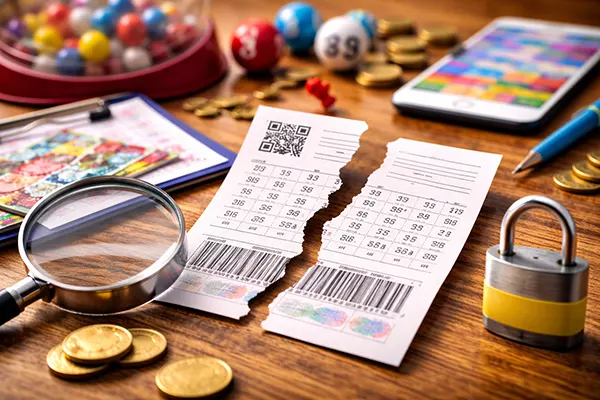
Technical triggers include unreadable barcodes, corrupted QR codes, print failures, and database mismatches. A ticket can become unreadable if it’s folded too tightly, exposed to heat, washed, or stored in a place where the ink fades. Even small barcode damage can cause the system to reject it.
Human triggers often involve mistakes at the counter. A retailer might accidentally cancel the wrong ticket, print a duplicate, or run a void process incorrectly. Some lotteries allow short cancellation windows for tickets purchased in error, so an incorrect retailer action can result in a valid-looking ticket becoming invalid in the system.
Security triggers include suspected alteration, duplicate claims, mismatched serial numbers, or behaviour linked to fraud attempts. In 2026, many lotteries use automated monitoring to detect anomalies, such as repeated high-value purchases, unusual device patterns, or attempts to claim prizes that do not match the purchase history.
Prevention: How to Reduce the Risk of Ticket Cancellation
While no method is perfect, players can strongly reduce risk by treating a lottery ticket like a financial document. The most reliable approach is to confirm the purchase properly, store the ticket safely, and make sure you are using official channels for checking and claiming prizes.
For retail purchases, always check that the receipt or terminal confirmation matches what you bought. If the retailer prints a ticket but the terminal shows an error, ask the retailer to confirm whether the ticket was successfully issued in the system. This matters because a printed slip is not always proof of a valid transaction.
For online purchases, use strong account security and keep payment methods up to date. A surprising number of voided digital entries happen because a payment is reversed after the ticket is issued. In these cases, the lottery’s system will cancel the ticket even if the player never intended to break any rule.
Best Habits for Players (Retail and Online)
After buying a paper ticket, sign the back immediately if the lottery rules allow it. This helps prove ownership and reduces disputes. Then store the ticket flat, away from moisture, sunlight, and heat. Avoid laminating unless the lottery explicitly allows it, because some protective layers can damage barcode scanning.
Use official lottery tools to check results and ticket status. Third-party checkers can be wrong or outdated, and they cannot confirm the internal record. If a prize is large, confirm it through the official lottery contact route before taking any action.
If a ticket fails validation, do not throw it away and do not attempt to “fix” it by rewriting numbers or altering the surface. Keep the ticket, keep any receipts, note where and when it was bought, and contact the lottery support channel promptly. In many systems, investigation is only possible if the ticket and transaction details are preserved.